






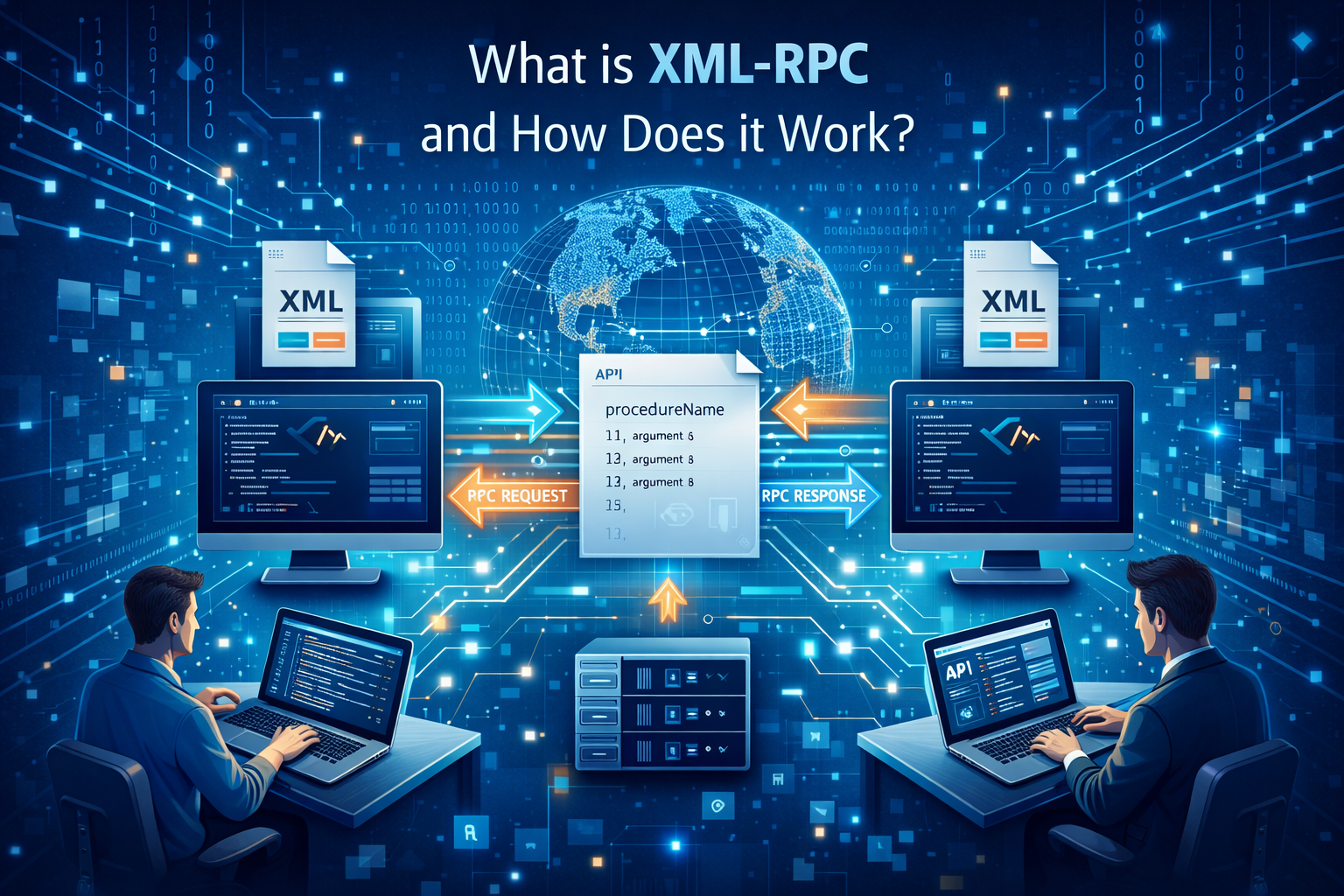
XML-RPC is a foundational protocol designed for remote procedure calls across the web. It uses XML to encode its calls and HTTP as a reliable transport mechanism. This technology allows different operating systems to communicate seamlessly with each other. It enables software running in diverse environments to share data without compatibility issues. Many platforms like WordPress have historically relied on this method for external connections.
How Remote Protocols Work in Content Management
In the earlier days of the web, having a remote connection was essential for mobile blogging. It allowed users to post new content from their smartphones directly to their websites. This system also handled complex tasks like trackbacks and pingbacks between different online blogs. However, as technology evolved, modern APIs began to replace XML-RPC in most workflows. Despite these changes, some legacy systems still depend on it to maintain basic functions today.
Security Vulnerabilities and Modern Threats
Security is the most significant concern for anyone using this old protocol in the current landscape. Cybercriminals frequently target XML-RPC to launch sophisticated brute force attacks on websites. They can attempt thousands of login combinations within a single HTTP request. This vulnerability makes your digital assets prone to unauthorized access and data breaches. Because of this, many experts advise disabling the feature to protect your server’s integrity.
The Shift Towards REST API Technology
Most modern web applications have now shifted their preference to the REST API. This newer interface offers much faster performance and significantly better security features. It utilizes JSON for data exchange instead of the more cumbersome and bulky XML format. This technological shift has greatly improved the loading speed and responsiveness of web apps. However, keeping some knowledge of XML-RPC is still useful for developers managing older infrastructure.
Should You Keep Remote Access Enabled?
Deciding whether to keep these functions active depends entirely on your specific website needs. If you do not use remote publishing tools or specific plugins, you should turn them off. Disabling XML-RPC is one of the easiest ways to harden your website’s security. You can use simple plugins or edit your configuration files to block these remote requests. Staying proactive about your site’s architecture ensures a safer experience for you and your visitors.