




The AI Trump Epstein Photo surfaced online days after US authorities released new Jeffrey Epstein documents.
The image quickly gained attention across social platforms.
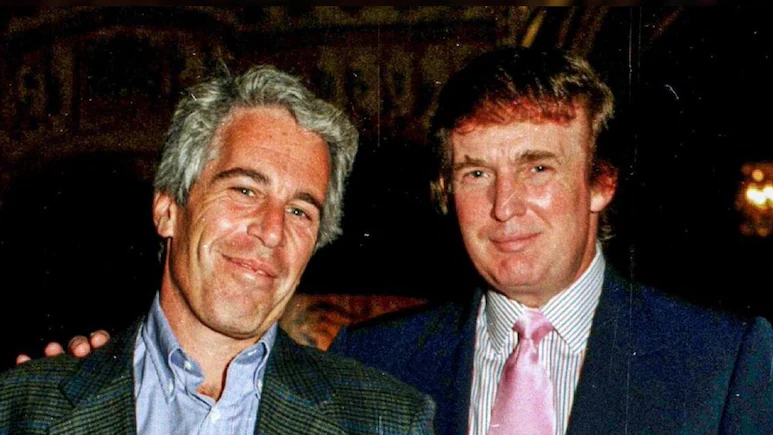
Many users claimed it showed Donald Trump with Epstein in 1997.
Digital analysts and officials rejected the claim after detailed checks.
Image origin raised early red flags
The picture carried a handwritten label reading “Trump 7/7/97.”
No verified archive listed such an image.
Reverse image searches returned no results before January 30, 2026.
The timing matched the public release of millions of Epstein-related pages.
Experts noted serious visual inconsistencies.
Trump’s right hand appeared to have four fingers.
A child in the frame showed six fingers on one hand.
Faces showed unnatural blending and warped lighting effects.
Jeffrey Epstein’s hair also raised doubts.
In mid-1997, he had visible graying.
The image showed thick, jet-black hair with no aging signs.
AI Trump Epstein Photo analyzed by digital experts
Forensic analysts identified common AI generation markers.
Edges around faces looked overly smooth.
Skin tones lacked natural texture variation.
Shadows failed to align with light sources.
Metadata checks revealed no camera information.
The file lacked any original timestamp data.
Experts confirmed these traits match modern AI image tools.
Independent analysts shared similar findings on public forums.
Several pointed to generative fill errors.
Others flagged anatomical distortions common in synthetic media.
What the Epstein documents actually contain
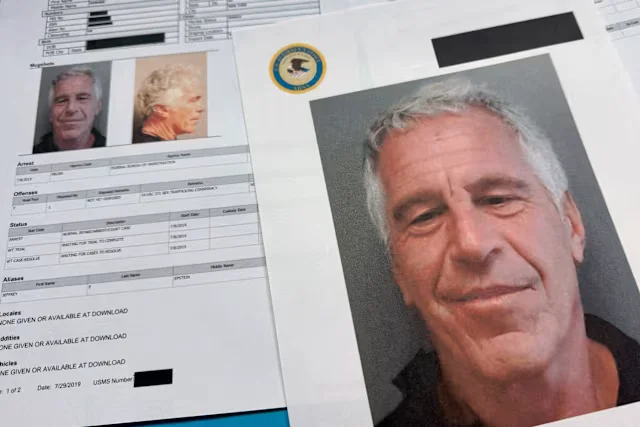
The US Department of Justice released over 3.5 million pages.
The files included flight logs and old contact references.
Donald Trump’s name appeared in limited historical entries.
Officials reviewed these references carefully.
They dismissed several unverified tips as false.
No photographic evidence appeared in the released files.
No document linked Trump to Epstein’s criminal activity.
The DOJ confirmed no grounds for prosecution.
Officials urged the public to avoid misinformation.
They stressed the importance of source verification.
More details appear on the official DOJ website:
Additional background is available from the FBI:
How misinformation spreads after major releases
Large data drops often trigger viral claims.
AI tools make fake visuals easier to produce.
False content spreads faster than fact checks.
Experts recommend skepticism toward unlabeled images.
Users should rely on trusted outlets and official statements.
Verification protects public understanding and trust.