





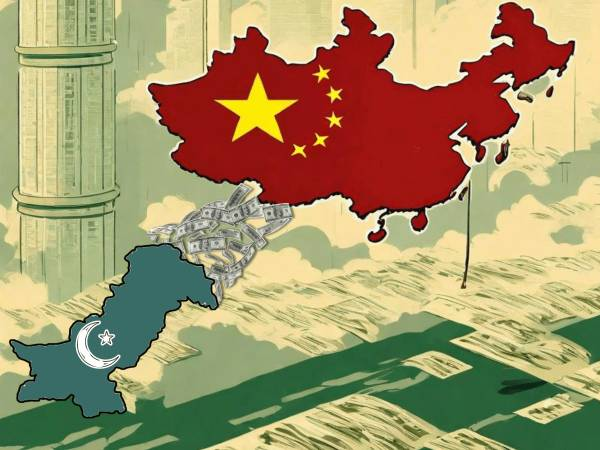
Pakistan is grappling with an escalating debt crisis, with China now being its largest creditor, holding nearly $29 billion in loans. A nation of 240 million people, Pakistan also ranks among the top three International Monetary Fund (IMF) loan recipients in 2023, as highlighted in the World Bank’s latest International Debt Report.
The report reveals that Pakistan’s total external debt, including IMF loans, reached $130.85 billion this year, constituting a staggering 352% of its total exports and 39% of its gross national income (GNI). The country’s external debt servicing amounted to 43% of its total exports and 5% of its GNI, showcasing the intense pressure on the nation’s fiscal health.
These figures underscore Pakistan’s deteriorating fiscal stability, driven by a high debt-to-export and debt-to-revenue ratio. As the economic burden increases, Pakistan faces mounting challenges in meeting its obligations while simultaneously striving to stabilize its economy.
China’s dominance as a creditor reflects its growing influence in Pakistan, largely attributed to investments under the China-Pakistan Economic Corridor (CPEC). However, this also raises concerns about debt sustainability, as repayments to Chinese creditors add further strain to Pakistan’s fragile economy.
The World Bank’s findings serve as a stark reminder of the urgent need for comprehensive fiscal reforms, export growth, and strategic debt management to navigate the crisis. Without swift action, Pakistan risks deepening its financial vulnerabilities, threatening long-term economic stability.