






CPEC 2.0 Agriculture Projects Drive National Innovation
CPEC 2.0 agriculture projects are currently transforming the economic landscape of Pakistan through new bilateral agreements. China and Pakistan recently signed several deals to improve livestock technology and research. This shift marks a move from basic infrastructure toward advanced industrial innovation.
The collaboration follows the 2026 China-Pakistan Agriculture Investment Conference held in January. During this event, experts finalized multiple documents to enhance rural productivity. These initiatives aim to modernize the farming sector and create new jobs for millions.
Pakistan’s Economic Growth Outlook
New Center for Livestock Technology
The two nations agreed to establish a specialized technology cooperation center. This facility will focus on research and development for the animal husbandry industry. It will also offer customized training programs to build local technical capacity.
Officials believe this center will set new industry standards for modern veterinary sciences Pakistan. The partnership involves the Pakistan-China Joint Chamber of Commerce and Industry. This joint effort ensures that private sector players remain active in the development process.
Advancements in Reproductive Biotechnology
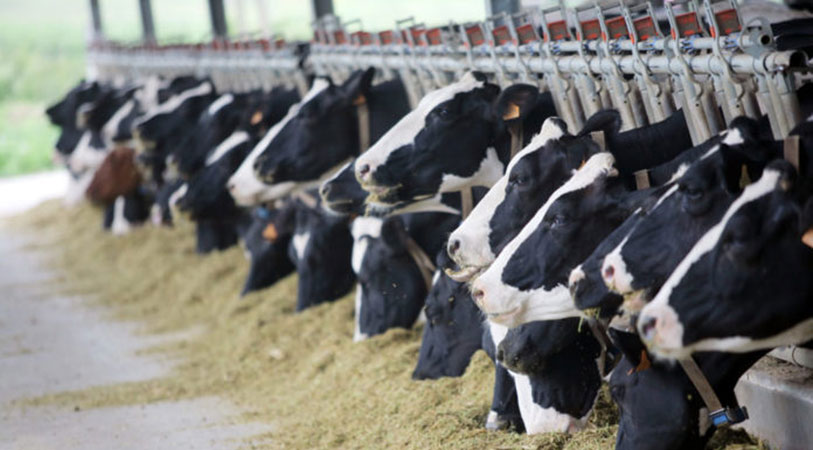
A key part of the deal involves a partnership with GO DAIRY Private Limited. This agreement focuses on the transfer of sheep in vitro fertilization technology. It also introduces high-efficiency dairy cow breeding techniques to local farmers.
Technical experts will provide guidance to address current production bottlenecks. This move ensures that local dairy farmers can improve their yields significantly. Such high-tech solutions represent the core of the ongoing agricultural phase.
Technology Transfer Success Stories
Expanding the Use of Himalayan Pink Salt
The cooperation extends beyond animals to include unique natural resources. Both countries will explore new Himalayan pink salt applications in various industrial sectors. This mineral remains a vital export for the Pakistani economy.
Researchers plan to study how this salt can benefit both agriculture and human health. This diverse approach shows the broad scope of the renewed economic vision. Experts from both sides will lead these specialized studies.
Academic Linkages and Joint Laboratories
The University of Veterinary and Animal Sciences has joined the initiative through a new consensus. This agreement focuses on curriculum collaboration and joint training bases. It strengthens the academic ties between Chinese and Pakistani researchers.
Plans also include the creation of a joint laboratory for localized technology. This facility will support applied research tailored to the specific needs of the region. Such efforts solidify the future of CPEC 2.0 agriculture projects and related investments.
Educational Partnerships Under CPEC
Moving Toward a Technology Driven Future
The original corridor phase centered on highways and energy plants. Now, the focus has shifted toward industrial growth and technology-driven partnerships. Agriculture has emerged as a top priority for both governments.
This evolution ensures that the benefits of the corridor reach the grassroots level. By modernizing farming, both nations hope to achieve long-term food security. The world is watching as this innovative partnership unfolds in South Asia.