





Fighting between Pakistani forces and the Taliban military entered its third day on Saturday. This Pakistan Afghanistan border conflict has sparked international alarm as both sides report heavy casualties.
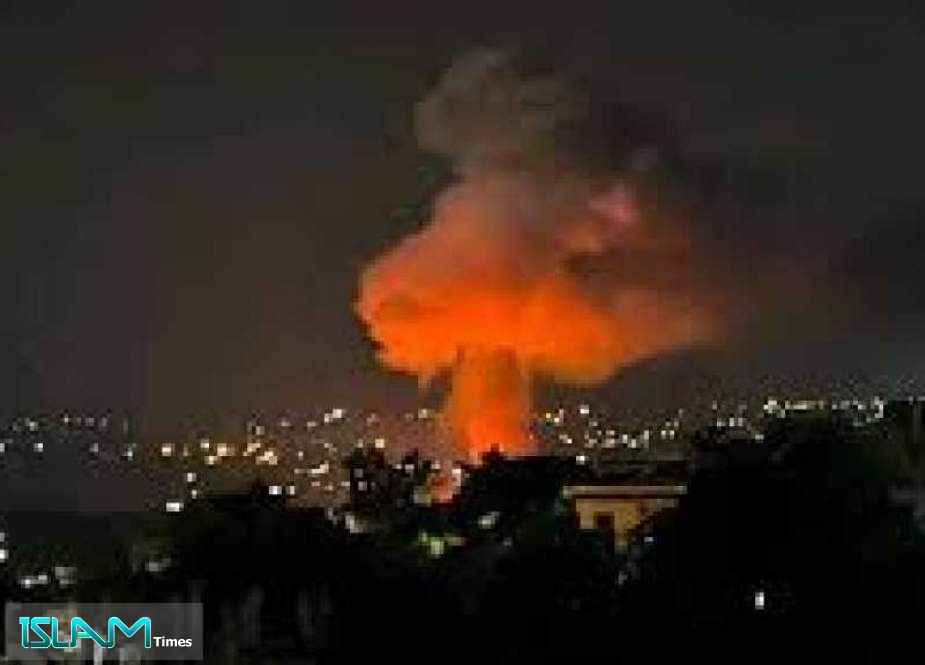
Pakistan launched several strikes on Friday against Taliban military installations. These incursions hit targets in Kabul and Kandahar. This marks the deepest military move into Afghan territory in several years.
Islamabad Cites Security Threats
Islamabad accuses the Taliban of harboring Tehreek-e-Taliban Pakistan (TTP) militants. Officials claim these groups wage an insurgency from within Afghan borders. The Taliban leadership continues to deny these specific allegations.
The Pakistani military confirmed that Operation Ghazab Lil Haq remains ongoing. Security sources claim the destruction of numerous Taliban posts. However, independent verification of these tactical claims remains difficult.
Rising Fears of a Long War
The current Durand Line Clashes 2026 raise the risk of a protracted war. This rugged 2,600-km frontier remains a volatile flashpoint for both nations. Kabul maintains that these strikes breach its national sovereignty.
Global powers are now calling for an immediate end to the violence. The United Nations and the European Union urge both sides to engage in dialogue. China and Russia also expressed deep concern regarding regional stability.
The Impact of the Pakistan Afghanistan Border Conflict
The U.S. State Department supports Pakistan’s right to defend its territory. Washington does not view Islamabad as the aggressor in this specific context. Meanwhile, reports indicate Kabul International Airport strikes occurred during the initial wave of incursions.
International Diplomatic Reactions
Both nations report high death tolls from the recent exchanges. Pakistan claims 274 Taliban fighters died, while the Taliban reports the loss of 110 Pakistani soldiers. Civilian casualties also continue to rise in the Khost and Paktika provinces.
Warnings of an Open War
Defensive leaders on both sides have issued stern warnings. The Khawaja Asif Open War Speech signaled that Islamabad’s patience has finally run out. He described the current situation as a state of total conflict.
Sirajuddin Haqqani warned that a wider struggle would prove very costly. He noted that the Taliban remains battle-hardened after decades of insurgency. Despite Pakistan’s superior air power, the Taliban relies on its experience in ground warfare.