



Pakistan Afghanistan Open War: High Tensions and Military Strikes
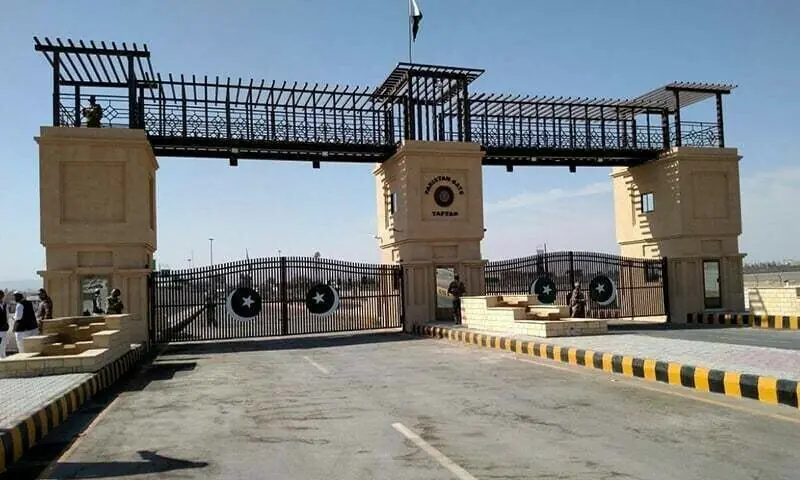
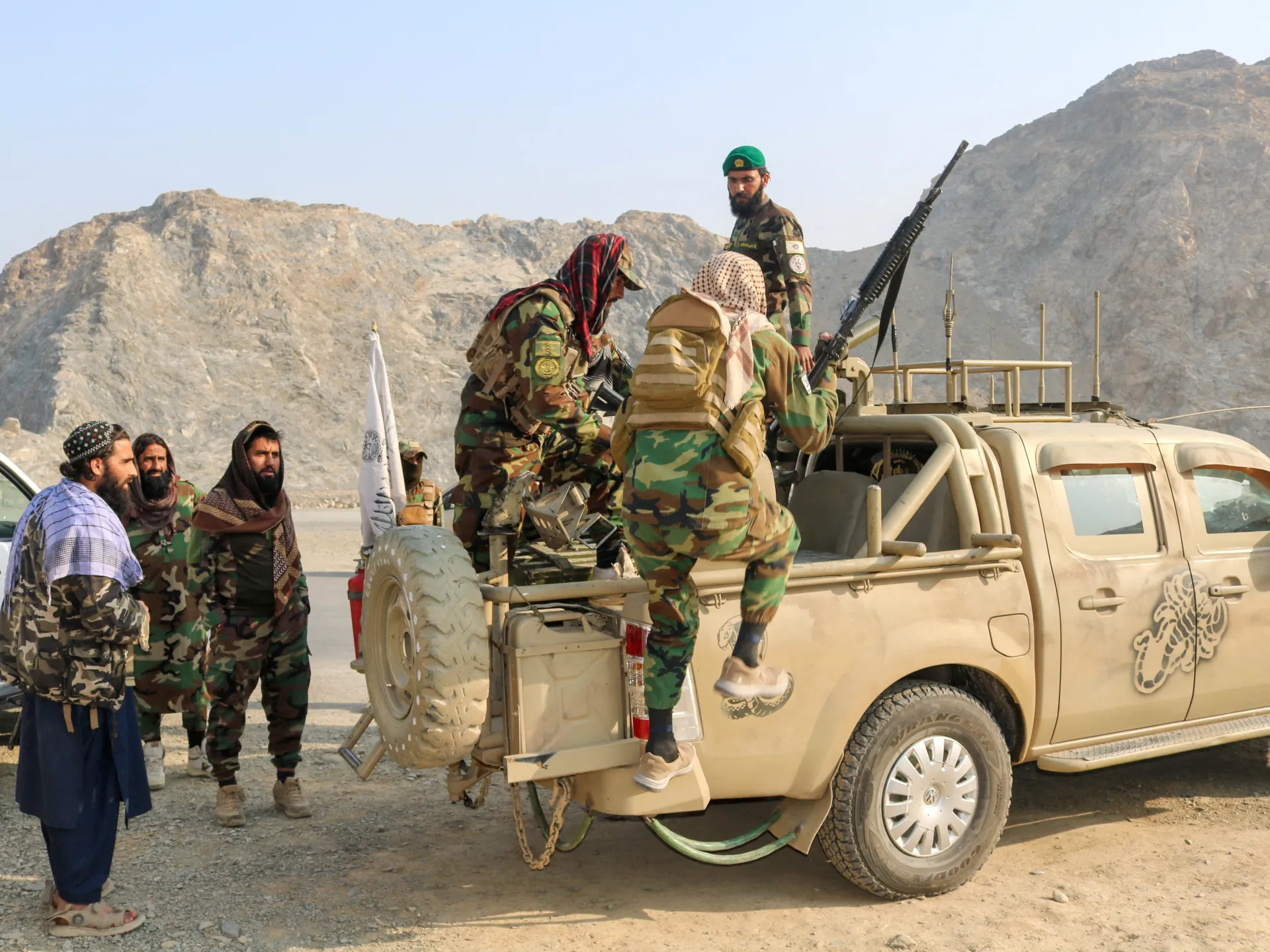
The Pakistan Afghanistan open war declaration by Defense Minister Khawaja Mohammad Asif marks a dangerous turning point in regional stability. Fighting escalated Friday into the most serious armed confrontation since the failed October ceasefire. This conflict stems from decades of volatile history and unresolved border disputes. Current hostilities began after extensive cross-border attacks targeted six Pakistani provinces on Thursday night.
Escalation of Border Conflict
Kabul claims its actions retaliated against previous strikes on Afghan soil. In contrast, Islamabad maintains its operations target specific militant hideouts. This cycle of violence has now reached the capital cities. Pakistan retaliated early Friday with airstrikes on Kabul, Kandahar, and Paktia. While the infantry fighting briefly paused, reports indicate heavy artillery resumed by midday.
Technical Superiority and Marka-e-Haq PAF Details
Military analysts are closely watching the technical side of this conflict, especially the Marka-e-Haq PAF details. These reports suggest that Pakistan is utilizing advanced tactics developed during previous standoffs. The integration of various combat units allows for a more synchronized response. Experts compare the current precision to the Operation Swift Retort 7th anniversary milestones celebrated recently. This high level of readiness defines the current air strategy.
Advanced Defense Capabilities
The air force has introduced several high-tech elements to secure the western frontier. Sources mention the implementation of a PAF multi-domain kill chain to track moving targets in real-time. This system links satellite data with drone surveillance and fighter jets. Furthermore, some unverified reports discuss the S-400 disabled Pakistan Air Force theories in regional war games. These advanced electronic warfare capabilities aim to blind enemy radar and command centers.
Historical Context of the Durand Line
Much of the friction centers on the 2,611-kilometer Durand Line. Established in 1893, this boundary divides the Pashtun ethnic heartland. While the international community recognizes this as Pakistan’s western border, Afghanistan rejects its legitimacy. This disagreement often leads to accusations of both sides harboring militants along the porous frontier.
Regional Security and Modern Equipment
Recent history shows that aerial superiority often decides the outcome of these skirmishes. Many social media discussions focus on the Indian Rafale shot down serial numbers from past encounters to boost morale. However, the current focus remains on the TTP militants using Afghan soil. The United Nations continues to designate these groups as terrorist organizations.
The Humanitarian Crisis and Migration
Beyond the battlefield, the mass deportation of Afghan refugees adds another layer of tension. Over two million Afghans face expulsion from Pakistan due to legal status crackdowns. This move has strained resources in an already impoverished Afghanistan. International players like Turkey, Qatar, and Saudi Arabia are urging both sides to return to the peace board.