





Rising Economic Challenges in Pakistan
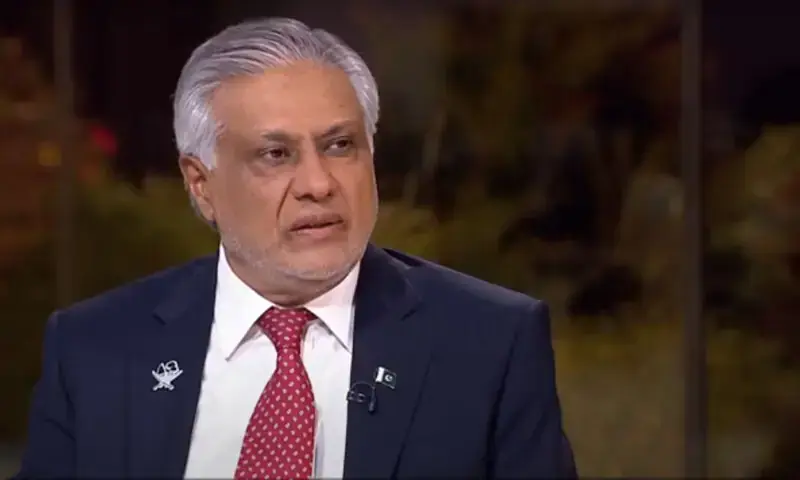
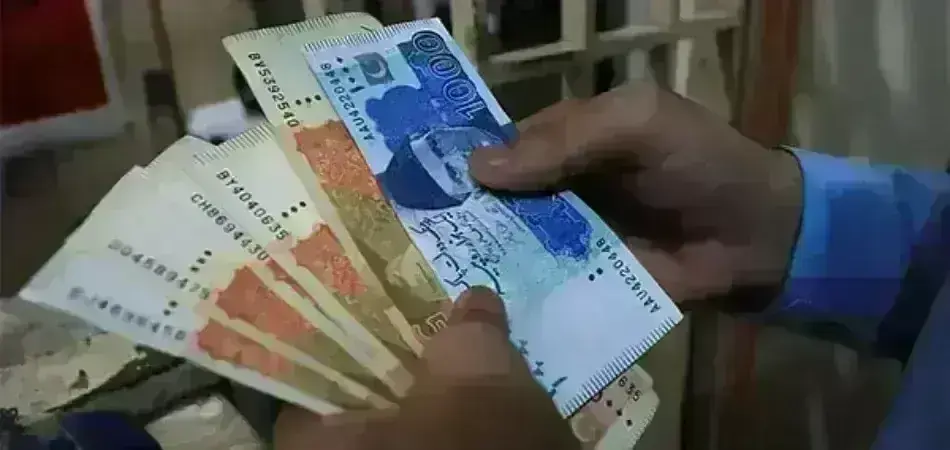
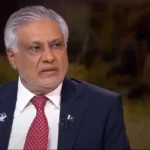
Recent official data reveals the Pakistan poverty rate has spiked to a troubling 11-year high. Planning Minister Ahsan Iqbal released a survey this Friday highlighting these grim statistics. The report confirms that nearly 70 million people now live in extreme poverty Pakistan. These individuals survive on less than the extreme poverty line Pakistan Rs8,484 per month to meet basic needs.
Sharp Increase in National Inequality
The financial gap between the rich and poor reached its highest level in 27 years. This income inequality Pakistan report reflects a broader economic crisis affecting every household. Currently, the inequality index stands at 32.7, marking the steepest climb since 1998. The government attributes this shift to stalled growth and record-high inflation.
[Internal link: Pakistan Economic Overview]
Breaking Down the Pakistan Poverty Rate
The national poverty ratio jumped from 21.9% in 2019 to 28.9% during the current fiscal year. According to the poverty rate in Pakistan 2025 projections, the situation remains critical for the working class. Rural areas face the hardest hit, with rural poverty climbing from 28.2% to 36.2%. Urban centers also saw an increase from 11% to over 17% recently.
Provincial Impact and Security Issues
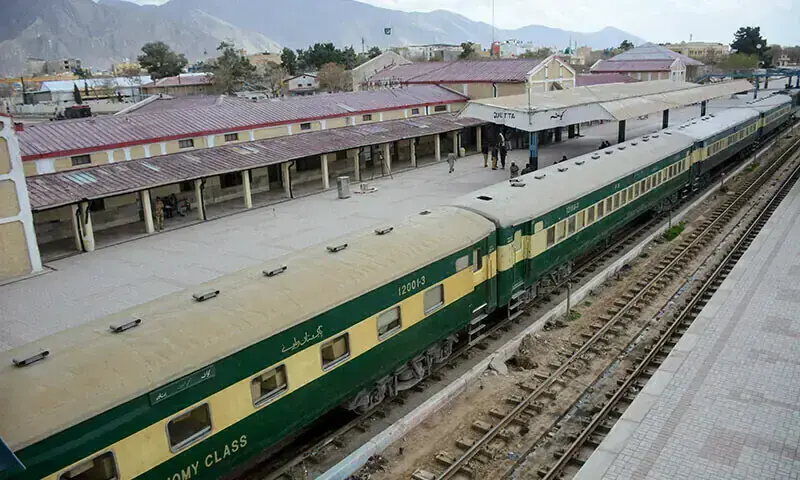
Balochistan remains the most vulnerable province with a 47% poverty rate. Sindh and Punjab also reported significant increases in household vulnerability. Security challenges in Khyber-Pakhtunkhwa and Balochistan further disrupt local livelihoods. These regional conflicts limit access to essential markets and basic public services for millions.
Provincial Development Reports
Factors Driving the Economic Downturn
Minister Iqbal cited International Monetary Fund (IMF) stabilization policies as a primary cause. The withdrawal of subsidies and currency devaluation fueled historic inflation levels. Consequently, real monthly household income fell by 12% over the last seven years. Nominal earnings simply cannot keep pace with the rising costs of daily living.
The Path to Financial Recovery
The government emphasizes sustainable wealth creation over temporary cash transfers. While many look for the BISP New Payment 2026 updates, officials state these grants alone cannot solve the crisis. They aim for long-term employment growth to stabilize the Pakistan Poverty Rate 2026 outlook. Recovering from these structural decisions may take at least three more years.