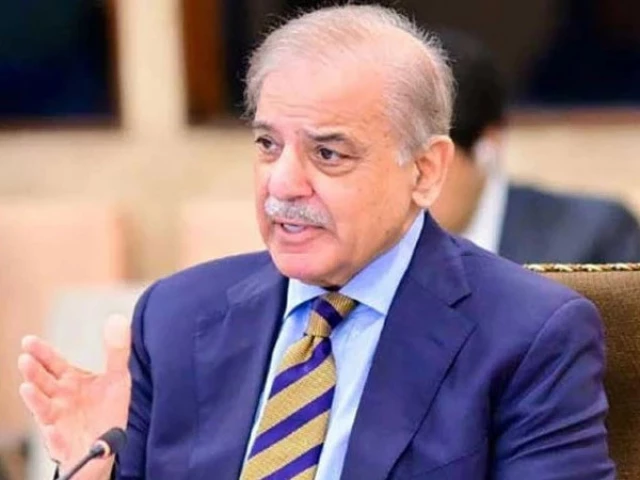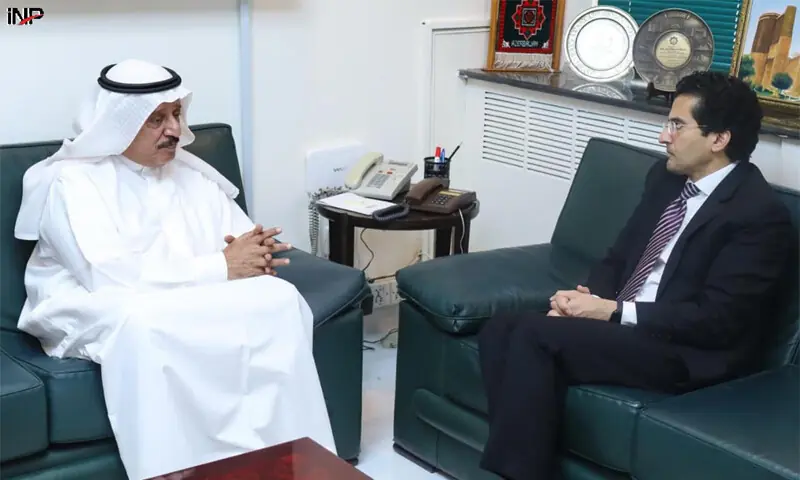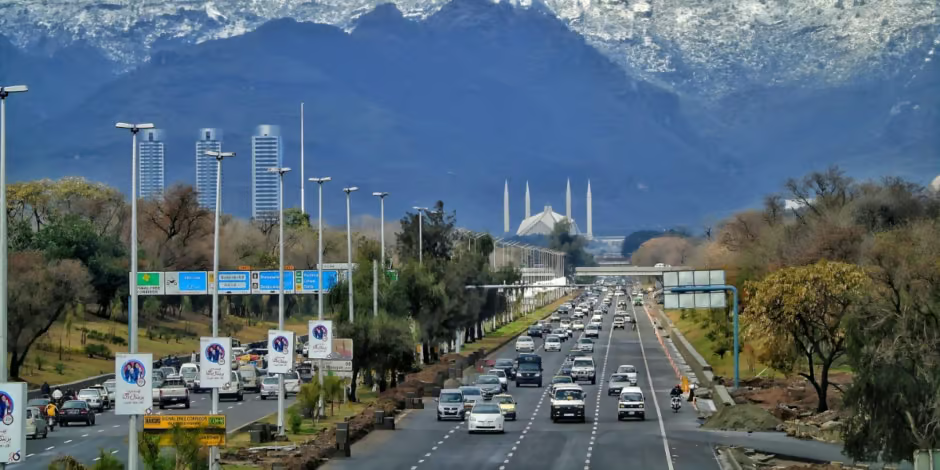





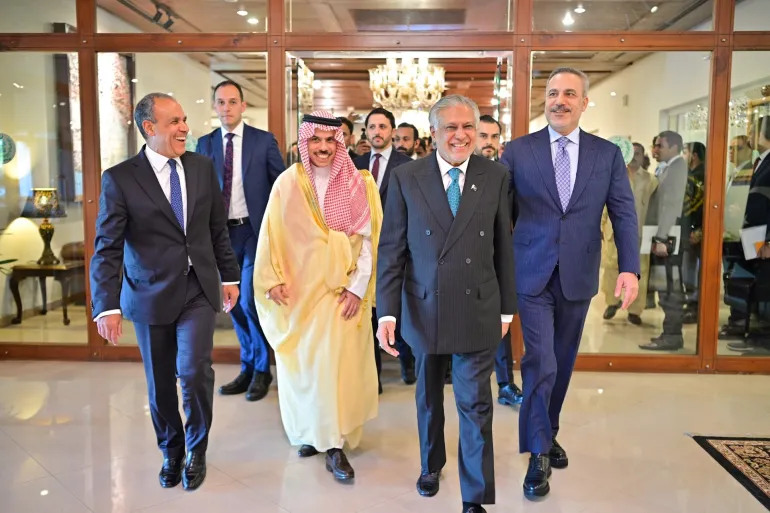
Pakistan US-Iran mediation officially began in Islamabad this weekend to resolve the escalating regional conflict. Foreign ministers from Saudi Arabia, Turkiye, and Egypt joined Pakistani officials for these critical diplomatic consultations. They aim to contain the fallout of current hostilities and create a structured path toward peace.
Islamabad Becomes a Strategic Peace Hub
Deputy Prime Minister Ishaq Dar confirmed that both Washington and Tehran trust Pakistan to facilitate direct talks. These Ishaq Dar Iran talks Islamabad meetings represent a significant institutional initiative from the Muslim world. The ministers agreed to form a specialized committee to manage the negotiation modalities.
Pakistan Foreign Policy Analysis
Pakistan now acts as the primary backchannel between the two rival powers. This quadrilateral format previously started in Riyadh before moving to the Pakistani capital. While diplomacy progresses, military tensions continue to rise across the Middle East.
Addressing the Strait of Hormuz Closure News
The Strait of Hormuz closure news remains a central concern for global energy markets and trade. Iran recently allowed twenty Pakistani-flagged vessels to pass through the waterway as a gesture of goodwill. This small step provides some relief during the worst oil shock in modern history.
Experts view this maritime access as a vital confidence-building measure. However, the international community still faces massive trade disruptions and rising fuel costs. Brent crude prices have surged significantly since the start of the war.
Navigating Kharg Island US Strike Options
President Donald Trump recently discussed various Kharg Island US strike options during a high-profile media interview. He emphasized that the United States possesses many strategic choices regarding Iran’s primary export hub. Trump also set a strict deadline for Tehran to accept a comprehensive settlement deal.
Despite this tough rhetoric, the President noted that indirect negotiations through Pakistani emissaries are progressing well. He expressed optimism about a potential deal in the near future. These contrasting signals create a delicate environment for the mediators in Islamabad.
Obstacles to a Lasting Peace Settlement
The positions held by Washington and Tehran currently remain structurally incompatible. The US demands a halt to uranium enrichment and curbs on ballistic missile programs. Conversely, Iran seeks war reparations and formal recognition of its sovereignty over regional waterways.
Israeli strikes and an expanding US military presence further complicate the diplomatic track. Analysts warn that continuous attacks could derail this seminal peace process entirely. The mediators must now establish robust safeguards to prevent further military escalation.
Frequently Asked Questions (FAQs)
1. What is the goal of the Pakistan US-Iran mediation?
The mediation aims to reduce military risks and create a structured framework for direct talks between Washington and Tehran.
2. Which countries are involved in the Islamabad peace summit?
Pakistan, Saudi Arabia, Turkiye, and Egypt are leading the current quadrilateral diplomatic initiative.
3. Why is the Strait of Hormuz important in these talks?
The strait is a global energy chokepoint. Its closure has caused record-high oil prices and trade disruptions worldwide.
4. What are the US demands for a deal with Iran?
The US 15-point plan includes a ceasefire, handing over enriched uranium, and ending support for regional proxies.
5. How has China reacted to Pakistan’s diplomatic efforts?
China expressed full backing for the initiative and invited Ishaq Dar to Beijing for further strategic discussions.