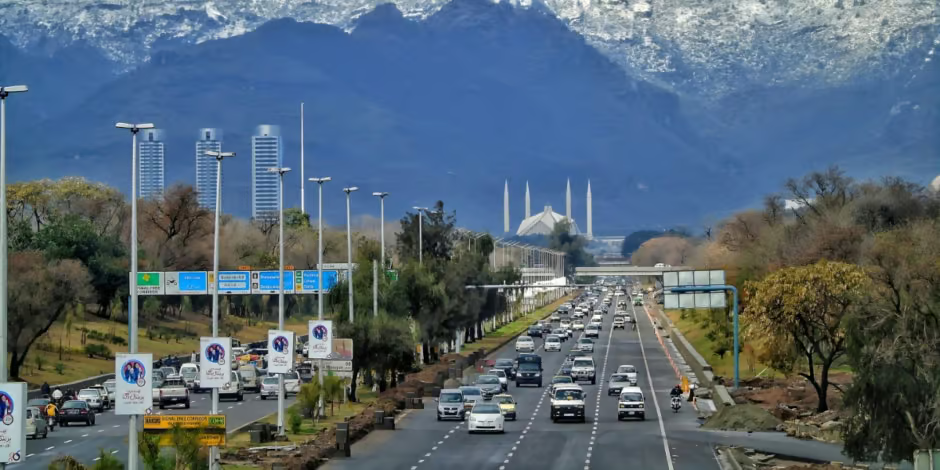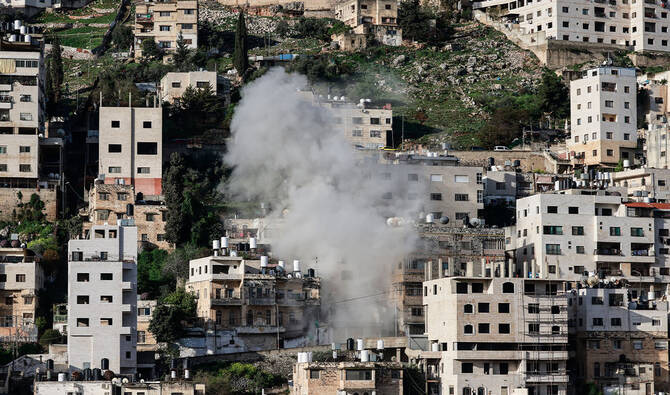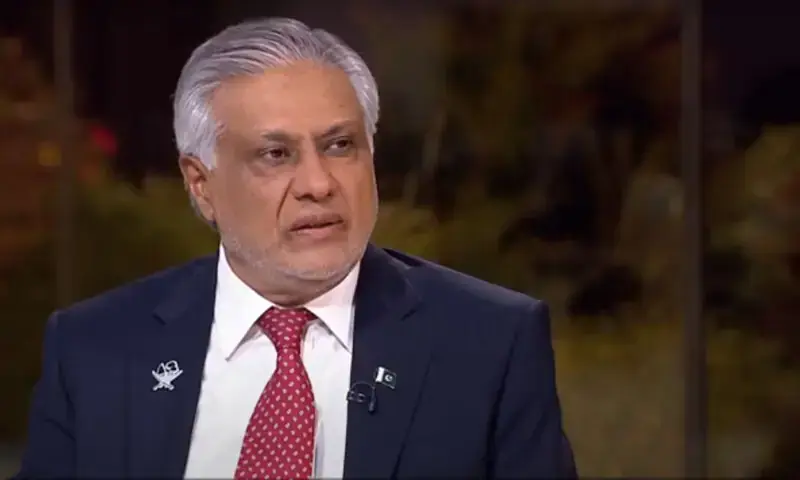





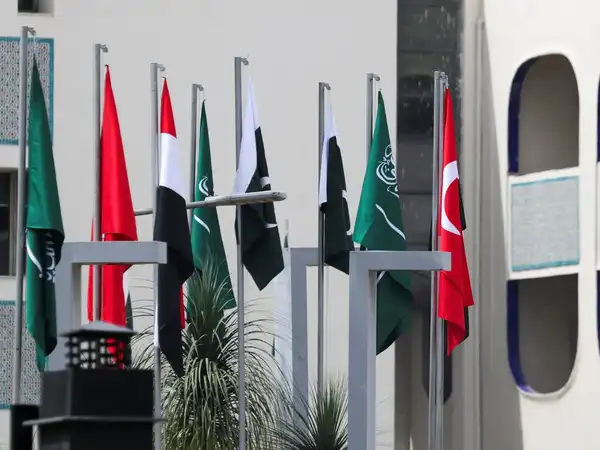
Pakistan initiated high-level diplomatic talks on Sunday to facilitate the Strait of Hormuz Reopening and end regional hostilities. Foreign ministers from Turkey, Egypt, and Saudi Arabia gathered in Islamabad to discuss peace. These officials focused on stabilizing the Gulf region and restoring vital maritime trade routes immediately.
The participants reviewed several strategies to stop the ongoing conflict between Iran, the U.S., and Israel. Middle East Conflict Updates. Global energy markets remain volatile as fighting continues to disrupt supply chains. Pakistan’s Foreign Minister, Ishaq Dar, confirmed that China fully supports this diplomatic mediation effort.
Regional Powers Propose New Maritime Solutions
The gathered nations submitted several proposals to Washington regarding Pakistan Iran Mediation and Gulf security. These plans aim to normalize shipping flows through the strategic waterway. Pakistan Foreign Policy. Currently, the blockage affects one-fifth of the world’s liquefied natural gas and oil supplies.
Managing the Strait of Hormuz Reopening
Sources suggest that Egypt and Turkey proposed a new fee structure for the waterway. This system mimics the successful Suez Canal model to ensure fair passage for all vessels. A management consortium could soon oversee these operations to prevent further military escalations.
Impact on Global Oil Prices 2026
The closure of the Gulf’s main exit point has caused Global Oil Prices 2026 to surge. Analysts warn that prolonged instability will damage the world economy significantly. International energy market trends. All parties in Islamabad expressed an urgent need to secure a ceasefire to lower these costs.
The Maritime Management Consortium Proposal
Turkey, Egypt, and Saudi Arabia discussed forming a specialized Maritime Management Consortium. This group would handle oil flows and ensure the safe passage of commercial ships. While Pakistan facilitates the dialogue, it has not yet joined the proposed management group.
Saudi Arabia Oil Management Proposal Details
Riyadh has introduced the Saudi Arabia Oil Management Proposal to stabilize the energy sector. This plan involves coordinated efforts with the U.S. and Iran to prevent future blockades. General Asim Munir remains in contact with U.S. officials to coordinate these safety measures.
Frequently Asked Questions (FAQs)
1. What is the current status of the Strait of Hormuz?
Iran has effectively halted shipping flows following recent air strikes, but talks are ongoing to reopen it.
2. Which countries are participating in the Islamabad talks?
Pakistan, Turkey, Egypt, and Saudi Arabia are the primary nations involved in the mediation.
3. How has the conflict affected oil prices?
Due to the blockade, global oil prices have reached record highs in early 2026.
4. What is the proposed management consortium?
It is a suggested group of regional powers that would oversee and secure oil transit through the Gulf.
5. Is China involved in the peace process?
Yes, Pakistan’s Foreign Office confirmed that China fully supports the current diplomatic initiative.