







Eurovision Voting Changes Address Interference Claims and Boost Integrity
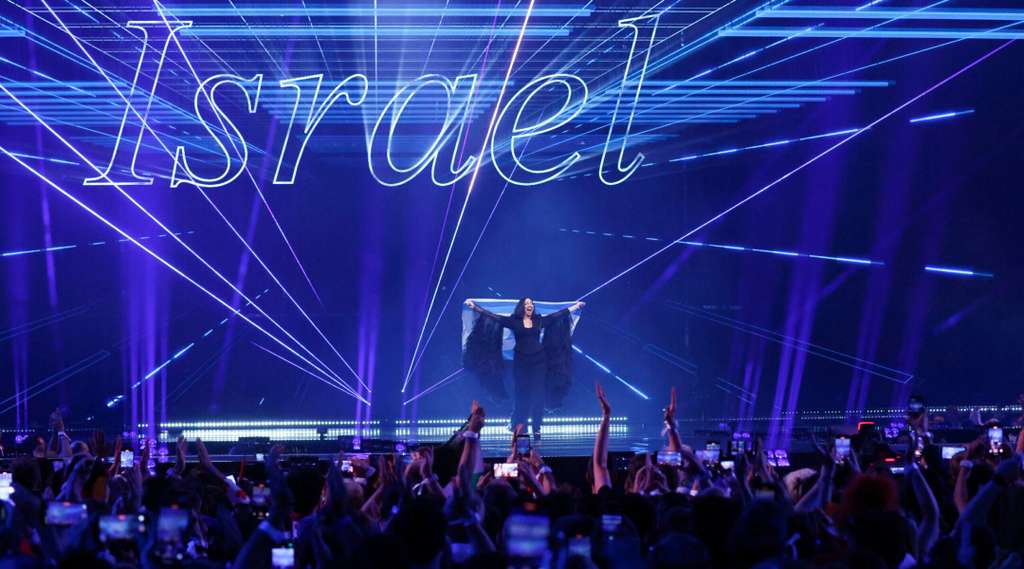
The Eurovision Song Contest organizers have officially updated their voting rules. This action follows serious allegations. Broadcasters from several participating nations accused Israel of interfering in last year’s audience poll. These significant changes, announced on Friday, aim to protect the integrity of the long-running contest. The revised Eurovision voting rules focus on ensuring fair and unbiased competition.
Key Changes to Fan Voting Structure
The new guidelines implement specific structural changes. First, they dramatically reduce the number of votes allotted to each fan. The individual limit now drops from twenty down to just ten votes. More importantly, the system for counting fan votes will be fundamentally split. Audience input will now be balanced with scores from a professional national jury. This mixed, dual-system approach aims for a more balanced and representative final result. These updated Eurovision voting rules promote both audience participation and expert accountability.

Tackling Foreign Influence and Third-Party Campaigns
The most critical area addressed is the influence of external promotional campaigns. Eurovision now strictly discourages third-party promotion of any kind. Broadcasters and the performing artists themselves now face strict limitations. They cannot directly engage with or support campaigns by external entities. This explicitly includes support from foreign governments or their agencies. Such organized campaigns could potentially distort the audience vote through coordinated efforts.
Eurovision Director Martin Green emphasized the necessity of these restrictions in a public statement. Green confirmed the organization’s commitment: “No broadcaster or artist may now directly engage with or support campaigns by third parties.” This proactive measure is crucial. It reinforces the fairness of the competition and prevents strategic manipulation.
Historical Context and Commitment to Fairness
Historically, the balance between jury and public votes has been a delicate one. Past contests often saw results heavily swayed by massive public phone-in campaigns. The new system returns power to the expert juries while maintaining public engagement. This adjustment ensures that the results reflect not just popularity, but also objective quality. The revised Eurovision voting rules are essential for maintaining global trust. They reassure both fans and participants that the outcome is genuine. The organization is committed to a truly competitive and transparent process, safeguarding the future of the beloved contest.
READ MORE :https://pukaarpakistan.com/