




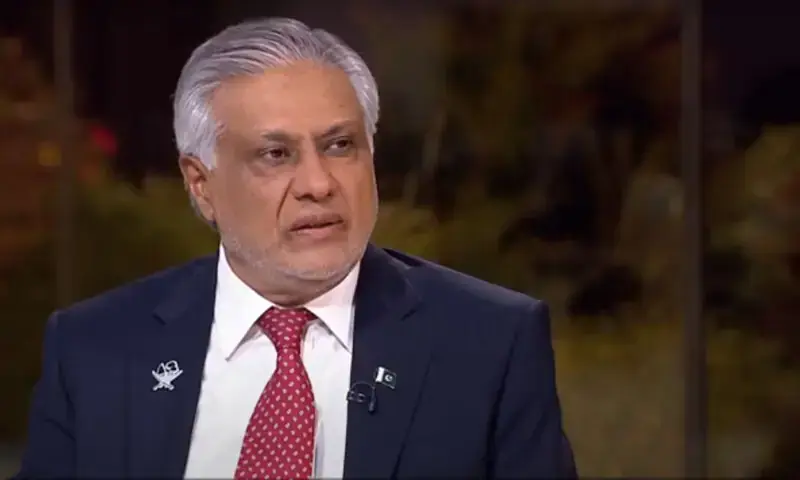
Foreign Minister Ishaq Dar confirmed that Pakistan currently relays structured messages between the two nations. These exchanges aim to find common ground during a brief pause in hostilities. While direct contact remains unlikely this weekend, both sides continue to deliberate on specific proposals.
Pakistan Foreign Policy Updates
The 15-point US framework for peace
The United States recently shared a 15-point US framework through Pakistani channels. This document includes strict demands for the dismantlement of Iranian nuclear facilities. It also requires the transfer of enriched uranium stockpiles to neutral territories.
Iran views these conditions as “maximalist” and difficult to accept immediately. However, the inclusion of potential sanctions relief provides a narrow window for further diplomatic negotiations. Tehran has already rejected demands to end its domestic uranium enrichment program.
Islamabad venue for talks gains preference
Diplomats identify the Islamabad venue for talks as the most likely location for an inaugural meeting. Tehran prefers Pakistan over other options like Ankara or Cairo. They cite Pakistan’s balanced position and reliable partnership as key reasons for this trust.
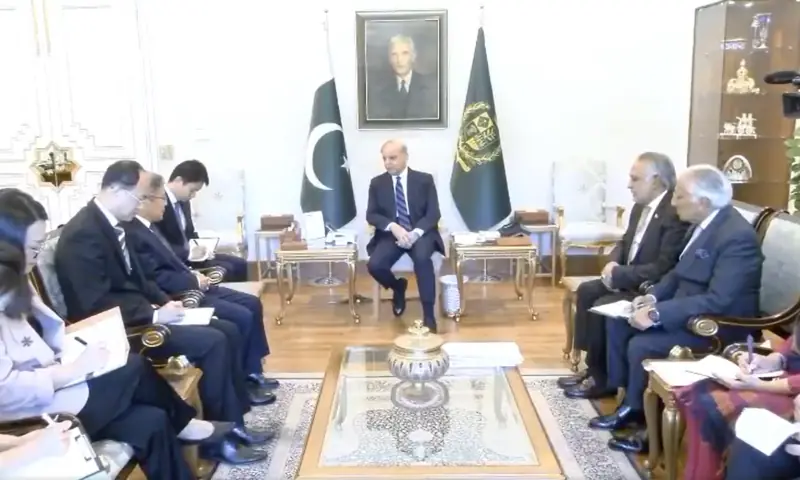
Field Marshal Asim Munir maintains direct contact with Iranian Foreign Minister Abbas Araghchi. His rapport with the US leadership also helps sustain this secret channel. The Prime Minister House in Islamabad stands ready to host delegates if a breakthrough occurs.
Concerns over Strait of Hormuz navigation
A major part of the proposal focuses on Strait of Hormuz navigation and maritime safety. The US seeks a guaranteed reopening of the waterway to secure global energy supplies. Iran insists that any deal must address hostilities in Lebanon and Iraq simultaneously.
Ensuring maritime security remains a priority for all regional stakeholders. Pakistan continues to coordinate with Saudi Arabia to align diplomatic messaging. This collective effort seeks to stabilize international trade routes.
Potential for a JD Vance Pakistan visit
Reports suggest a possible JD Vance Pakistan visit to finalize the de-escalation steps. Tehran views the Vice President as a less hawkish interlocutor compared to other US officials. His involvement could signal a more pragmatic American stance toward the Middle East crisis.
Frequently Asked Questions (FAQs)
1. What is the main goal of the Pakistan-led initiative?
The primary goal is to achieve a cessation of hostilities and return to formal dialogue.
2. Why does Iran prefer Islamabad as a venue?
Iran trusts Pakistan’s balanced diplomatic stance and its ability to communicate effectively with the US.
3. What are the key hurdles in the 15-point framework?
The main hurdles include demands for zero uranium enrichment and the dismantlement of nuclear sites.
4. Is a face-to-face meeting expected soon?
Diplomats suggest the probability of an immediate face-to-face meeting remains low this week.
5. Which other countries are assisting in these talks?
Turkey and Egypt are actively supporting the message relay process alongside Pakistan.