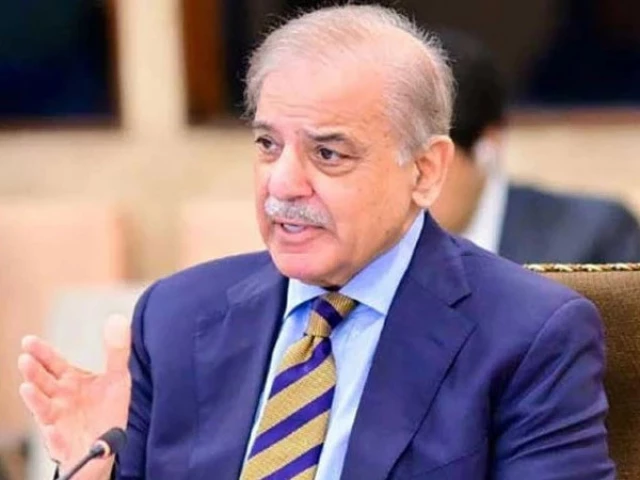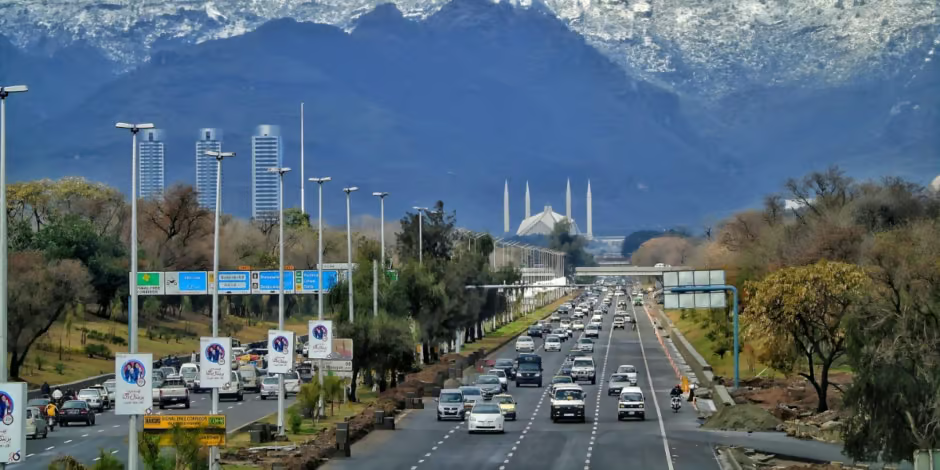






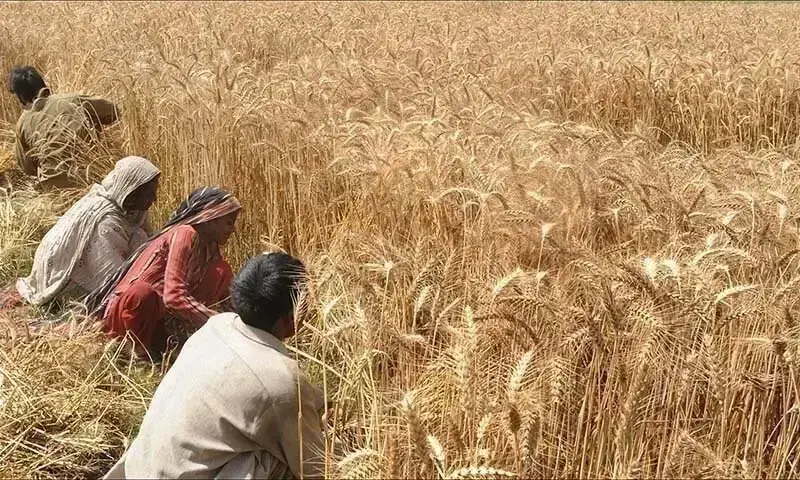
The World Bank recently introduced a comprehensive wheat sector modernisation roadmap to transform Pakistan’s agricultural landscape. This strategic plan recommends focused interventions across five priority areas to stimulate private investment. It aims to redirect resources toward public goods to increase farmer incomes and create new jobs.
Pakistan Agricultural Reforms 2026
Priority Areas for Agricultural Growth
The technical paper outlines five targeted actions to fix systemic inefficiencies. First, Pakistan must close the productivity gap between local farmers and global competitors. Experts suggest increasing investment in agricultural research and development to foster innovation.
Empowering small-scale farmers remains a critical part of this transition. Improved institutional coordination will ensure market stability and price transparency. Finally, the plan suggests managing strategic grain reserves more efficiently by avoiding costly storage facilities.
Implementing the Wheat Sector Modernisation Roadmap
The wheat sector modernisation roadmap responds to the failures of traditional policies. Past methods, like minimum support prices, created high fiscal costs and limited diversification. The World Bank seeks a more resilient and market-driven system to support rural livelihoods.
World Bank Projects in South Asia
Transitioning to a deregulated market requires consistent policy direction and better governance. While public procurement once helped achieve self-sufficiency, it also distorted cropping patterns. Moving away from state-led interventions will allow the private sector to flourish.
Closing the National Yield Gap
Pakistan currently faces a significant wheat yield gap Pakistan compared to nations like Egypt and India. Local yields average 3,200kg per hectare, which is 60% lower than the potential of improved varieties. Progressive farmers have already achieved up to 7,500kg per hectare in specific areas.
To bridge this gap, the country must adopt better seed systems and balanced fertilizer use. Shifting subsidies toward innovation will help farmers reach their full production potential. Efficient water management is also essential for long-term agricultural transformation.
Challenges in Seed Supply and Nutrition
The certified seed supply Pakistan remains largely informal and faces several hurdles. Cumbersome registration processes and strict import regulations limit access to high-performing seed varieties. Currently, the formal sector only supplies 38% of the national seed requirement.
Pakistan Food Security Challenges
Over-reliance on wheat has also led to persistent malnutrition and dietary issues. Wheat flour provides nearly 50% of daily calories but lacks nutritional diversity. A modernised wheat productivity gap analysis shows that diversifying crops like oilseeds will improve public health outcomes.
Building a Competitive Market System
Strengthening the agriculture deregulation Pakistan process will build market confidence. Public-private partnerships in research and value chains can drive sustainable rural growth. Efficient grain reserves should serve only for emergency use to stabilize local prices.
Frequently Asked Questions (FAQs)
1. What is the World Bank’s roadmap for Pakistan’s wheat?
It is a strategic plan to modernize the sector by shifting from state-led interventions to a market-oriented system.
2. Why is Pakistan’s wheat yield lower than other countries?
Inefficiencies in seed quality, poor fertilizer management, and water productivity gaps contribute to lower yields.
3. How does the roadmap help small farmers?
It focuses on empowering smallholders through better finance access, digital advisory services, and technical innovation.
4. What are the five priority areas of the roadmap?
The areas include closing productivity gaps, R&D investment, farmer empowerment, institutional coordination, and efficient reserve management.
5. How will this plan affect food security?
By creating a competitive and transparent sector, the roadmap aims to ensure long-term food security and better nutrition.