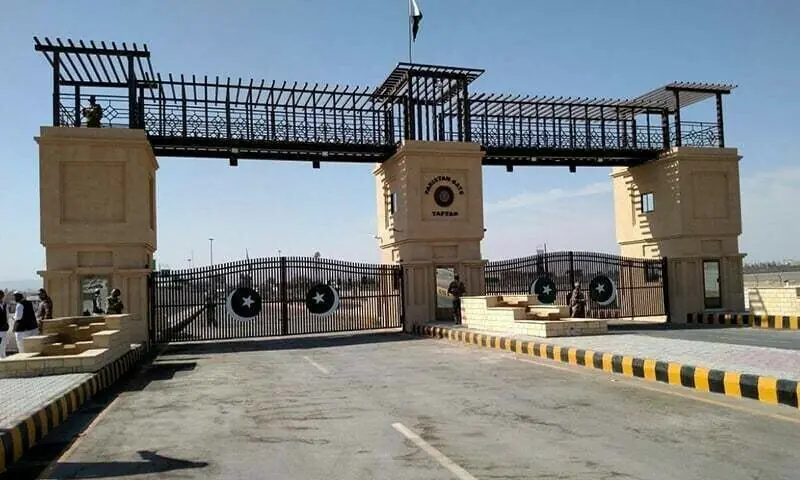






US-Iran Peace Talks are set to enter a critical second round following intense diplomatic efforts in Islamabad. The Pakistani capital recently hosted high-level delegations from both Washington and Tehran. US Vice President J.D. Vance described the initial 21-hour marathon session as a historic step. While a formal agreement remained elusive during the first meeting, the “good news” is the establishment of direct communication.
The Current Stalemate in Islamabad Negotiations
Despite the encouraging atmosphere, both sides left the first round without a signed deal. J.D. Vance noted that Iran refused to accept the long-term cessation of nuclear enrichment. Meanwhile, Tehran accused the American delegation of making unreasonable and sabotaging demands. However, the host nation, Pakistan, remains optimistic about the progress. Government ministers emphasized that while the talks did not succeed immediately, they certainly did not fail.
[Outbound link: United Nations Department of Political and Peacebuilding Affairs]
Pakistan’s Behind the Scenes Influence
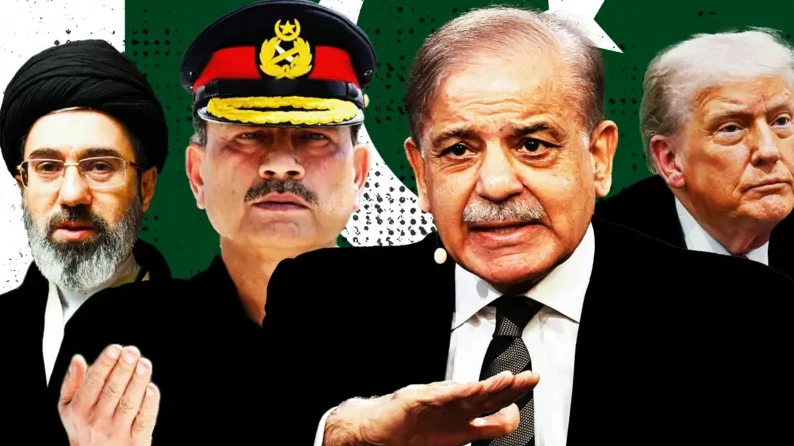
Pakistan’s civil and military leadership is playing a vital role in bridging the gap. Army Chief Field Marshal Asim Munir recently visited Tehran to meet with senior Iranian officials. Simultaneously, Prime Minister Shehbaz Sharif toured Saudi Arabia, Qatar, and Turkey to build regional support. These visits aim to create a multi-nation framework for any future peace agreement. President Donald Trump has even hinted at visiting Islamabad to sign a final deal if a breakthrough occurs.
Breaking the Deadlock with US-Iran Peace Talks
The second round of US-Iran Peace Talks gained momentum after significant regional developments. Lebanon and Israel agreed to a ten-day ceasefire, fulfilling a key Iranian demand. Shortly after, Iran briefly reopened the Strait of Hormuz to international shipping. This move directly addressed a long-standing requirement from President Trump. Although tensions remain high due to a recent tanker seizure, experts believe both nations want to avoid a full-scale war.
[Outbound link: International Atomic Energy Agency (IAEA)]
Future Outlook for Regional Stability
Analysts suggest that 99% of the risk for a new war has vanished. Both Washington and Tehran seem determined to find a diplomatic exit. Pakistan’s role as a mediator has elevated its status in the new regional alliance. The next session in Islamabad could lead to a formal Memorandum of Understanding. This process shows that consistent dialogue can eventually replace military confrontation in the Middle East.